
Tout savoir sur le don de sang et de plasma sanguin
Tout savoir sur le don de sang et de plasma sanguin
Tout savoir sur le sang et son don
Aujourd’hui, il n’existe aucun substitut au sang humain et les produits sanguins ont une durée de vie limitée : vous l’aurez compris, donner son sang régulièrement c’est primordial ! Secours d’urgence, interventions chirurgicales, maladies du sang, cancers…
Vous vous êtes déjà demandé : « qu’est-ce que le sang et de quoi est-il composé ? ». Respiration, nutrition, défense, régulation… Le sang joue un rôle essentiel dans de nombreuses fonctions vitales, mais qu’est-ce que c’est ?
Le sang et ses composants
Globules rouges : les transporteurs de l’oxygène
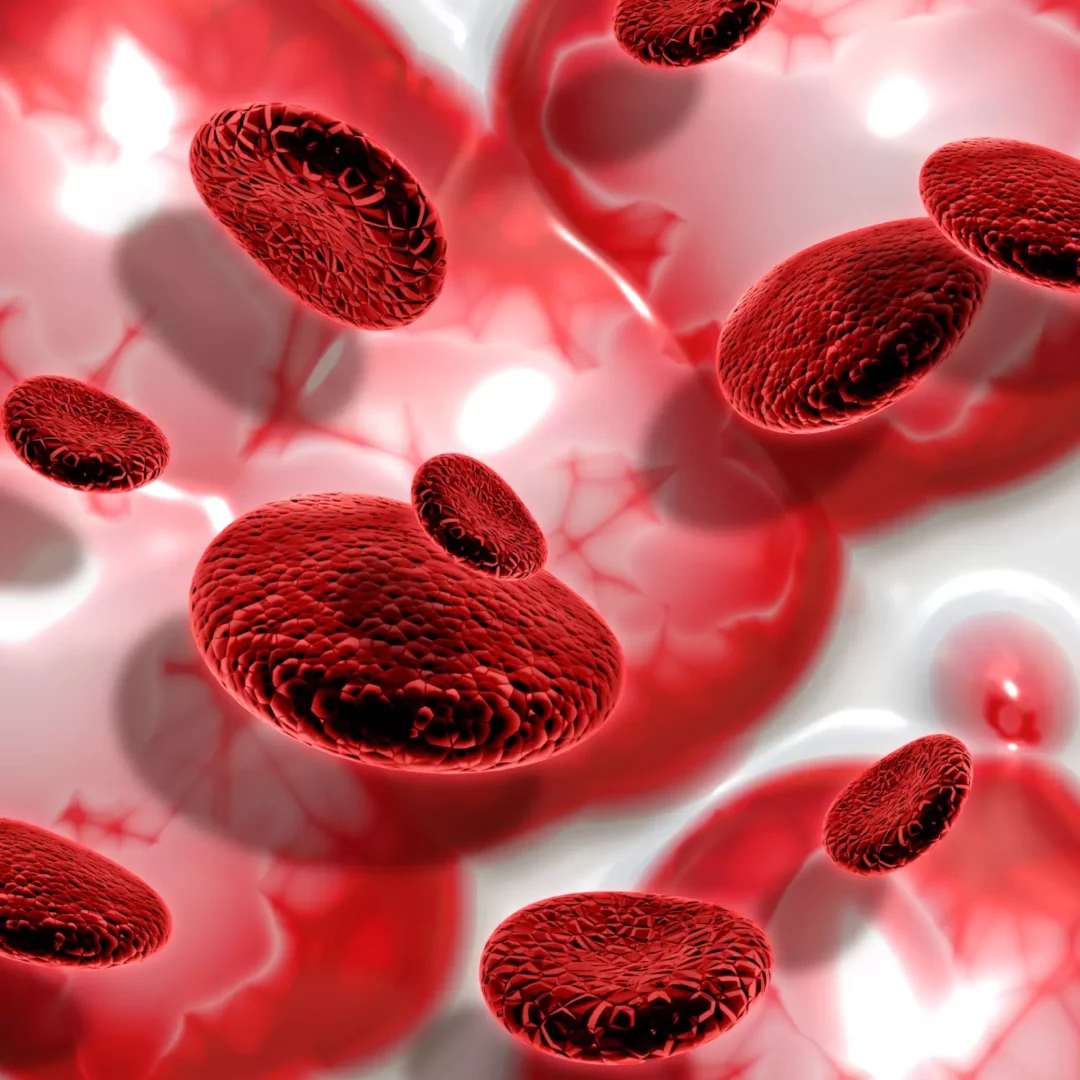
Les globules rouges ont pour mission de transporter l’oxygène des poumons vers les tissus et récupèrent en retour le gaz carbonique afin de l’évacuer lors de l’expiration. Les globules rouges sont les cellules les plus nombreuses dans le plasma : de l’ordre de 5 millions par mm3 de sang.
Appelés également érythrocytes ou hématies, les globules rouges contiennent une protéine : l’hémoglobine, capable de fixer l’oxygène, c’est elle qui donne à notre sang sa couleur rouge. Leur membrane est hérissée de protéines : les antigènes, ce sont elles qui déterminent l’appartenance aux différents groupes sanguins : A, B, O et AB.
Lorsqu’on manque de globules rouges, on parle alors d’anémie, cela entraîne une forte fatigue. La transfusion de globules rouges peut être nécessaire lors d’une grave anémie ou d’une forte hémorragie.
Globules blancs : les spécialistes de la défense immunitaire
Les globules blancs également appelés leucocytes, protègent notre organisme contre les agressions extérieures : les bactéries, les virus, les parasites… On en dénombre entre 4 000 et 10 000 par mm3 de sang !
Lorsqu’un agent pathogène envahit l’organisme, certains globules blancs le détectent et forment contre lui des anticorps spécifiques. On peut dire que ce sont les soldats de notre organisme, ils luttent contre les infections dans le corps.
A la suite d’un don de sang, les globules blancs sont filtrés : on parle alors de déleucocytation. Ces derniers pourraient entraîner des effets indésirables chez le receveur.
Plaquettes : guérir les blessures et les hémorragies
Les plaquettes sanguines sont des cellules sans noyau formées dans la moelle osseuse. Elles jouent un rôle indispensable dans la coagulation en contribuant à l’arrêt des saignements, en prévenant ou stoppant les hémorragies. On en compte de 150 000 à 400 000 par mm3 de sang.
Lors d’une coupure, ces minuscules cellules colmatent la brèche en venant se coller sur la surface. Grâce à leurs propriétés adhésives, les plaquettes s’accrochent les unes aux autres et vont former un bouchon. Ensuite, différentes protéines du plasma vont renforcer ce « bouchon ». Elles permettent alors la cicatrisation de la blessure et forment une croûte rouge à la surface de la plaie évitant la perte de sang c’est ce que l’on appelle la coagulation.
Pour certains patients, une transfusion de plaquettes peut être nécessaire pour stopper ou prévenir une hémorragie lors de certaines interventions chirurgicales lourdes. Chez les personnes atteintes de déficit plaquettaire ou de leucémie, cette transfusion est vitale. D’autres patients en ont besoin dans le cadre de traitement par chimiothérapie.
La durée de vie des plaquettes est très courte, elle est seulement de 7 jours. La régularité des dons est donc indispensable pour faire face aux besoins. La régularité, c’est l’assurance de vies sauvées !
Le saviez-vous ? Chaque jour, 500 dons de plaquettes sont nécessaires.
Plasma : le liquide de communication de l’organisme
Le plasma est la partie liquide du sang qui compose la moitié du volume sanguin. Composé à 90 % d’eau salée, il permet aux globules rouges et aux plaquettes de circuler dans le système vasculaire.
Le plasma contient plus d’une centaine de protéines. L’albumine, qui représente à elle seule 60 % des protéines du sang, maintient le volume de fluide et l’hydratation de l’organisme. Elle transporte également des hormones et d’autres molécules. Les immunoglobulines sont quant à elles indispensables dans la lutte contre les agents infectieux. Elles permettent de prévenir et de lutter contre des maladies telles que le tétanos, les hépatites ou la rubéole.
Le plasma contient aussi des facteurs de coagulation dont les facteurs anti-hémophiliques et des facteurs contre les thromboses (caillot obstruant un vaisseau sanguin). Un déficit héréditaire de ces protéines peut provoquer des hémorragies graves, comme chez les hémophiles.
Le plasma peut être transfusé ou utilisé sous forme de médicaments dérivés du sang. Dans le premier cas, il est utilisé pour traiter les troubles graves de la coagulation et certaines maladies rares. Dans le second cas, les médicaments dérivés du plasma permettent de soigner plus d’une centaine de maladies, comme l’hémophilie ou le déficit immunitaire primitif. Et pour certaines d’entre elles, ils sont irremplaçables car il n’existe pas d’alternative. Les médicaments dérivés du plasma peuvent également être utilisés en médecine d’urgence en cas d’hémorragie grave par exemple. Ayez le réflexe du don de plasma !
Après votre don, le sang n’est jamais transfusé directement à un patient. Que devient votre sang après le prélèvement ? A qui est-il destiné ? Du donneur au patient, on transforme vos dons de sang en produits sanguins.
Dans plusieurs pays, le don de sang est fondé sur des valeurs éthiques : l’anonymat, le volontariat, le non-profit et le bénévolat. Ces valeurs constituent un gage de sécurité pour vous, donneurs, mais aussi pour les receveurs et c’est le centre dépôt de votre don qui en est le garant.
Les groupes sanguins
Un groupe sanguin est un ensemble de propriétés qui permet de classer les individus pour définir une compatibilité optimale lors d’une transfusion de sang. Il existe plusieurs classifications, dont les plus connues sont les systèmes ABO et Rhésus ! Ainsi, il existe au total 8 groupes sanguins : A+, A-, B+, B-, O+, O-, AB+, AB-. Qu’est-ce qui détermine notre groupe et notre rhésus ?
Les groupes sanguins : notre identité
Les cellules du sang ont une identité
Même si la composition du tissu sanguin est la même pour tous, les différents éléments du sang portent à leur surface des marques d’identité individuelle. Il s’agit de molécules, les antigènes, qui varient d’une personne à l’autre.
Certaines différences dans les cellules du sang – globules rouges, globules blancs et plaquettes – et certaines protéines du plasma comme les immunoglobulines, définissent les groupes sanguins. Plusieurs dizaines de systèmes antigéniques (Kell, Duffy, Kidd…) permettent de caractériser les cellules sanguines, dont plus de 20 pour seulement les globules rouges.
Les plus importants pour la transfusion sont les systèmes ABO et Rhésus, qui déterminent la compatibilité sanguine entre deux individus.
La carte de groupe sanguin comporte votre identité sanguine. Comme une carte d’identité elle officialise des données personnelles à savoir votre groupe sanguin ABO et votre rhésus. Ceux-ci restent immuables tout au long de votre vie sauf éventuellement en cas de greffe de moelle osseuse.
Ce sont les laboratoires d’analyse de biologie médicale qui sont habilités à délivrer les cartes de groupes sanguins. Tout individu avant d’être donneur, patient ou receveur peut s’y rendre sur ordonnance de son médecin, pour réaliser la détermination de son groupe sanguin. Nous pouvons tous avoir de bonnes raisons pour connaître notre groupe sanguin (intervention chirurgicale, départ à l’étranger, pratique sportive etc.).
Quelle qu’en soit la raison, la détermination du groupe sanguin est le seul moyen de garantir votre sécurité lors d’une transfusion sanguine. Un conseil, gardez-là précieusement sur vous ! Elle pourra vous être utile.
Dans une situation d’urgence accidentelle, par exemple, connaître votre groupe sanguin est une information capitale s’il y a nécessité de vous transfuser.
Le saviez-vous ? Compte tenu des variants génétiques qui peuvent influer sur les rhésus, votre sang doit être testé deux fois et à des moments différents pour pouvoir déterminer avec certitude votre groupe sanguin.
C’est pour cela que normalement c’est à l’issue du 2ème don de sang que votre carte de donneur vous est adressée !
Attention, sur votre carte de donneur, la détermination de votre groupe figure à titre informatif. Cette carte ne peut en aucun cas remplacer une carte de groupe sanguin, qui reste le seul document de référence lors d’un acte transfusionnel.
Carte de groupe sanguin : quelles informations ?
Afin d’éviter tout accident transfusionnel, votre carte de groupe sanguin matérialise votre identité sanguine. Elle permet en cas de besoin de vérifier facilement si le groupe sanguin d’un donneur figurant sur l’étiquette d’une poche de sang est compatible avec le vôtre.
Y sont inscrits vos noms, prénom et date de naissance, votre groupe sanguin ABO ainsi que le rhésus et le groupe sanguin Kell. Le laboratoire ou l’hôpital où les analyses ont été effectuées ainsi que les dates de détermination y figurent.
Avoir sur vous en permanence votre carte de groupe sanguin comme votre carte d’identité est la garantie d’avoir une source d’information rapide et fiable de votre groupe sanguin pour les personnels soignants.
La détermination de votre groupe sanguin
Quand on parle de groupe sanguin, on parle en réalité du groupe érythrocytaire, c’est à dire celui porté par les globules rouges.
A la surface de ces globules, un grand nombre de molécules (protéines ou sucres complexes) sont présentes. Comme certaines de ces molécules peuvent différer d’un individu à l’autre, elles sont considérées comme des antigènes.
Pour chaque type de molécule possédant des variations interindividuelles, on parle de système.
Les plus connus sont les systèmes ABO et Rhésus, mais il en existe bien d’autres (kell, MNS, Duffy, Jk, …).
Le système ABO
Il s’agit du système le plus connu. Il est porté par les globules rouges, mais également bien d’autres cellules dans votre organisme.
Ce système repose sur une molécule qui possède 2 types de terminaison : l’antigène A, et l’antigène B, ou bien une absence de terminaison (pas de A ni de B), désignée par le O.
Certaines personnes n’expriment que le A ou le B, d’autres les deux antigènes, ils sont alors du groupe AB.
En revanche, si les globules rouges ne présentent ni l’antigène A ni l’antigène B, le donneur ou le patient appartient au groupe 0.
Le système Rhésus
Il s’agit du deuxième système le plus connu, du moins partiellement.
En réalité il repose sur une molécule tellement grosse qu’elle comporte plusieurs zones qui peuvent différer entre les individus.
Ces zones sont désignées par les lettres D, C,E,c,e.
Pour chacune de ces variations, on désigne leur présence par un “+” et leur absence par un “-”.
Le D correspond au + et au – que chacun connait. Par excès de langage, lorsqu’il n’y a pas d’antigène D, le rhésus est négatif et s’il est présent le rhésus est positif.
En combinant les systèmes, ABO et Rhésus, on obtient les huit principaux groupes sanguins: A+, A-, B+, B-, AB+, AB-, 0+ et 0 – . En France, les groupes A+ (38% de la population) et 0+ (36%) sont les plus fréquents tandis que les groupes AB- et B- sont les plus rares (1%).
Le don de plasma par aphérèse
Le don de plasma se fait comme le don de sang total, mais la méthode de prélèvement est différente. Grâce à une technique nommée « aphérèse », le sang passe dans un appareil qui retient uniquement le plasma, puis retourne les autres composants sanguins au donneur. Très sécuritaire pour le donneur, cette méthode permet de prélever deux fois plus de plasma que lors d’un don de sang total. Et comme le plasma se régénère rapidement, on peut donner plus souvent, soit tous les six jours!
Les contre-indications au don de sang
Les contre-indications permanentes concernent les infections actives connues pour être transmissibles par le sang (hépatites virales, syphilis, infection par le VIH ou par le HTLV, maladie de Chagas, paludisme) ; des situations d’exposition à des agents transmissibles non détectables tels que le prion (séjours de plus d’une année cumulée au Royaume-Uni entre 1980 et 1996, traitement par hormone de croissance avant 1989, antécédent familial de maladie à prion, antécédent de greffe de cornée ou de dure-mère, antécédent de chirurgie de l’encéphale ou de l’œil avant avril 2001) ; un antécédent de transfusion sanguine ou de greffe, d’usage de drogues par voie intraveineuse ou intramusculaire, incluant des substances dopantes hors contexte médical, en raison d’un risque potentiel d’exposition à un agent émergent.
Les contre-indications temporaires sont justifiées par un risque d’exposition récent à un agent infectieux, comme par exemple un nouveau partenaire ou plusieurs partenaires sexuels au cours des 4 derniers mois, ou une situation épidémique pour des agents transmissibles pas le sang (Chikungunya, zika, dengue, etc).
Le problème du don de sang au Cameroun particulièrement
Malgré les efforts de recrutement des donneurs de sang ces dernières années, le Centre National de Transfusion Sanguine (CNTS) manque cruellement de poches de sang, seulement 25% des demandes de transfusions sont honorées.
En 2017, 91 047 poches de sang ont été collectées contre 94 873 l’année suivante, selon les chiffres du Programme national de transfusion sanguine (PNTS). En 2019, ce sont 103 359 poches collectées pour un chiffre similaire en 2020. Malgré cette évolution constante, le Cameroun est encore bien loin de satisfaire les besoins de la demande nationale, évaluée à près de 400 000 poches.
Pour combler ce manque, qui se chiffre à 75% de la demande, le Cameroun met un accent particulier sur la sensibilisation des potentiels donneurs. Cela a été une nouvelle fois le cas, lors de la journée mondiale des donneurs de sang.
Dans le même temps, des investissements importants sont en cours pour améliorer les infrastructures des centres de transfusion sanguine, pour améliorer l’accès au don du sang auprès de la population camerounaise.
Actuellement, seulement 2% des dons de sang sont volontaires. La majorité des dons provient des familles de proches de malades, qui donnent leur sang afin de pouvoir bénéficier d’une transfusion sanguine. Face à ce manque de sang, peu de malades bénéficient d’une transfusion sanguine.
Source : toutsurlatransfusion.com
Dès que vous prendrez connaissance de cet article, je vous conjure de vous mobiliser pour faire des dons massifs.
Le Promoteur.






















Commentaires
4